Laravel Real-Time Features & Microservices Architecture
Build real-time WebSockets with Laravel Reverb & Echo, or decouple apps into microservices for infinite scaling. Enterprise DevOps & development. Free quote!
Real-Time Features & Microservices Architecture
As an application grows, a single codebase can become harder to manage, especially when different parts of the system have very different requirements. I can help you introduce a more modular architecture or separate specific services where there's a clear benefit to doing so.
Not every application needs microservices, but for larger or more complex systems they can make sense. I can separate resource-intensive areas such as payment processing, media processing, or search so they can be developed, deployed, and scaled independently. Where appropriate, I can also structure a Laravel application into clear modules without the added complexity of a fully distributed system.
I also build real-time features where applications need to respond to changes immediately. Using technologies such as Laravel Reverb, Soketi, or Pusher alongside Laravel Echo, I can add live updates and interactive features without repeatedly asking the database for new information.
This can be useful for live dashboards, collaborative tools, messaging systems, notifications, order tracking, and other features where users need to see changes as they happen. I build these features using secure, authenticated WebSocket connections and an architecture suited to the application's requirements.
Whether you need to improve the structure of an existing Laravel application, separate a specific service, or introduce real-time functionality, I focus on the simplest architecture that solves the problem without adding unnecessary complexity.
THE SHELF. BUILT AROUND
HOW YOU WORK.
- 01Real-Time Analytics & Live Operational Dashboards
- 02Self-Hosted Laravel Reverb WebSocket Infrastructure Setup
- 03Instant Messaging Systems & In-App Chat Platforms
- 04Live Push Notification & Activity Stream Engines
- 05Decoupled Microservice Architecture & API Gateways
- 06Modular Monolith Restructuring & Domain-Driven Design (DDD)
- 07Event-Driven Systems (RabbitMQ, Apache Kafka, Redis Pub/Sub)
- 08Real-Time Collaborative Document & Canvas Editing Tools
- 09Distributed System Tracing, Logging & APM Integration
- 10Real-Time Telemetry & IoT Sensor Data Aggregators
- 11High-Concurrency Live Bidding & Auction Engines
- 12Real-Time Order & Logistics Tracking Interfaces
- 13Authenticated Private & Presence WebSocket Broadcasting Channels
- 14Strangler Fig Monolith Migration Strategies
- 15gRPC & High-Performance Inter-Service Communication Pipelines
- 16Distributed Session & Centralized Caching Architectures
- 17Multi-Region Microservice Deployment Pipelines
- 18...and much more.
Not sure exactly what you need?
If you have an idea for a web application but aren't sure how to turn it into a specification, I can help define the features, recommend the right architecture, and plan a scalable Laravel solution before development begins.
Laravel projects built around real problems.
Explore examples of bespoke Laravel applications, business systems and integrations I've built for UK businesses.
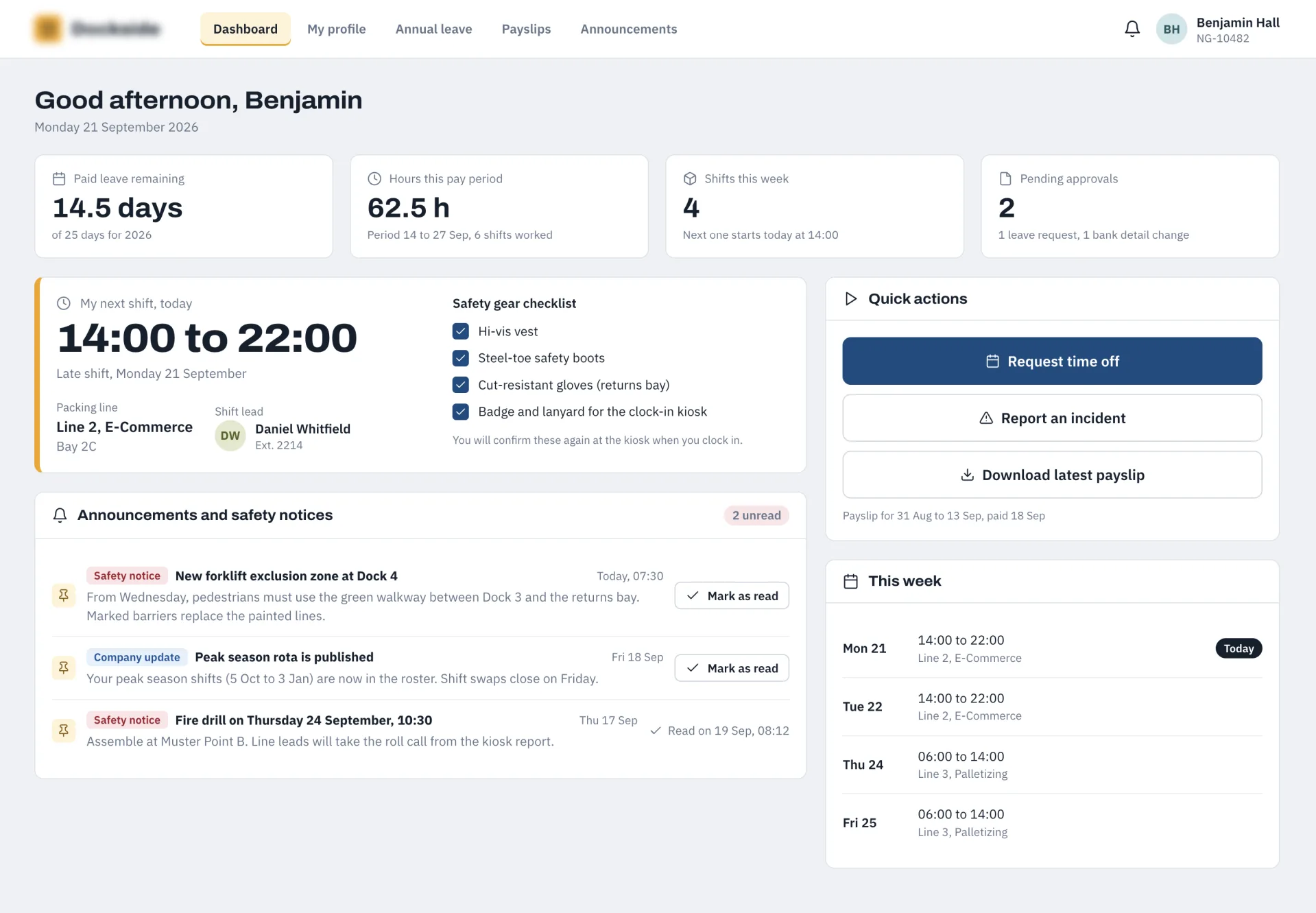
HR Intranet & Floor Time Clock System
Eliminated manual timesheets and optimized floor operations using a centralized Laravel HR hub and API engine connected to Android time clock terminals.
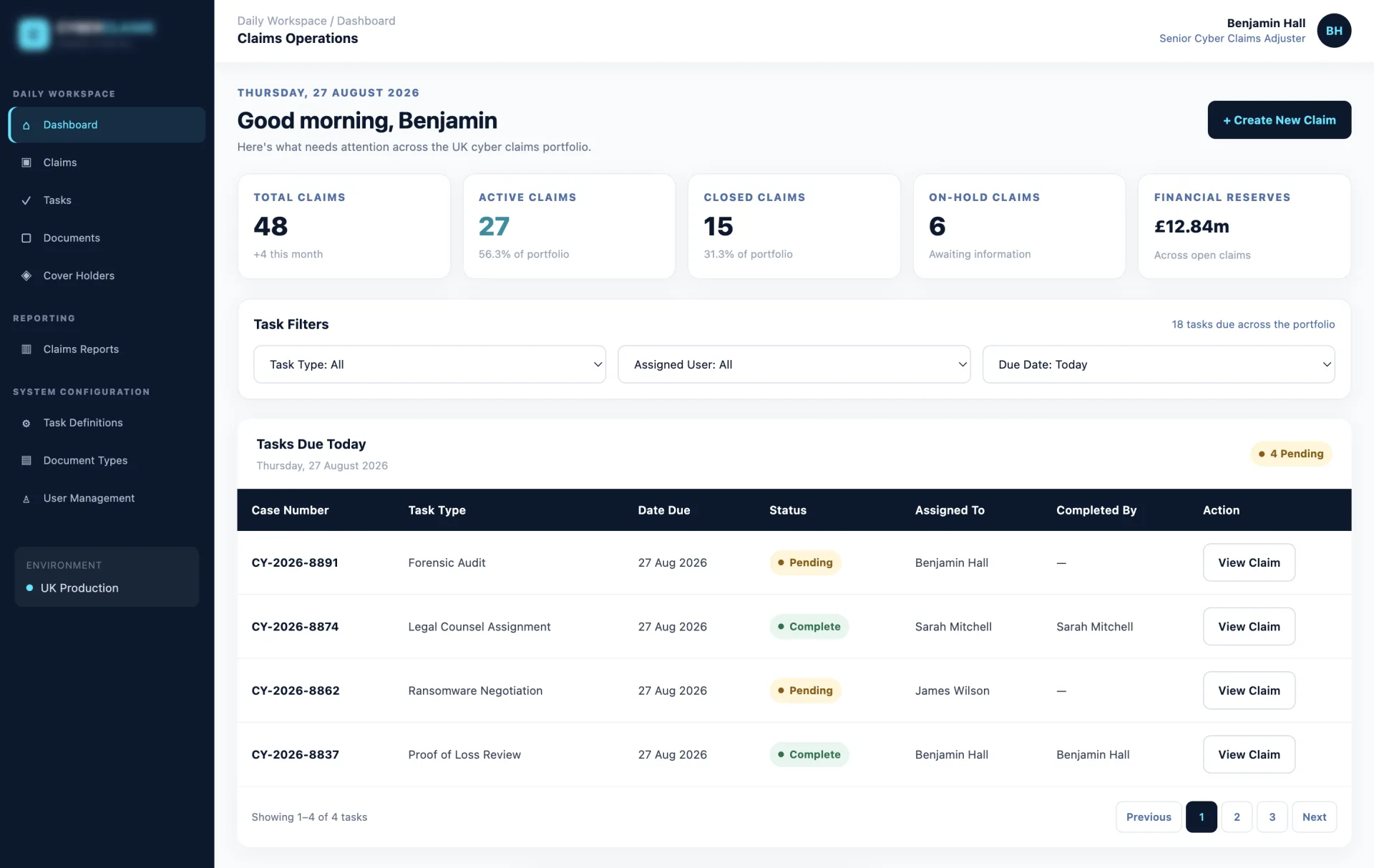
Cyber Insurance Claims Management System
A custom-built Laravel and Livewire management system designed for specialist claims adjusters to monitor complex cyber incidents and track live financial reserves.
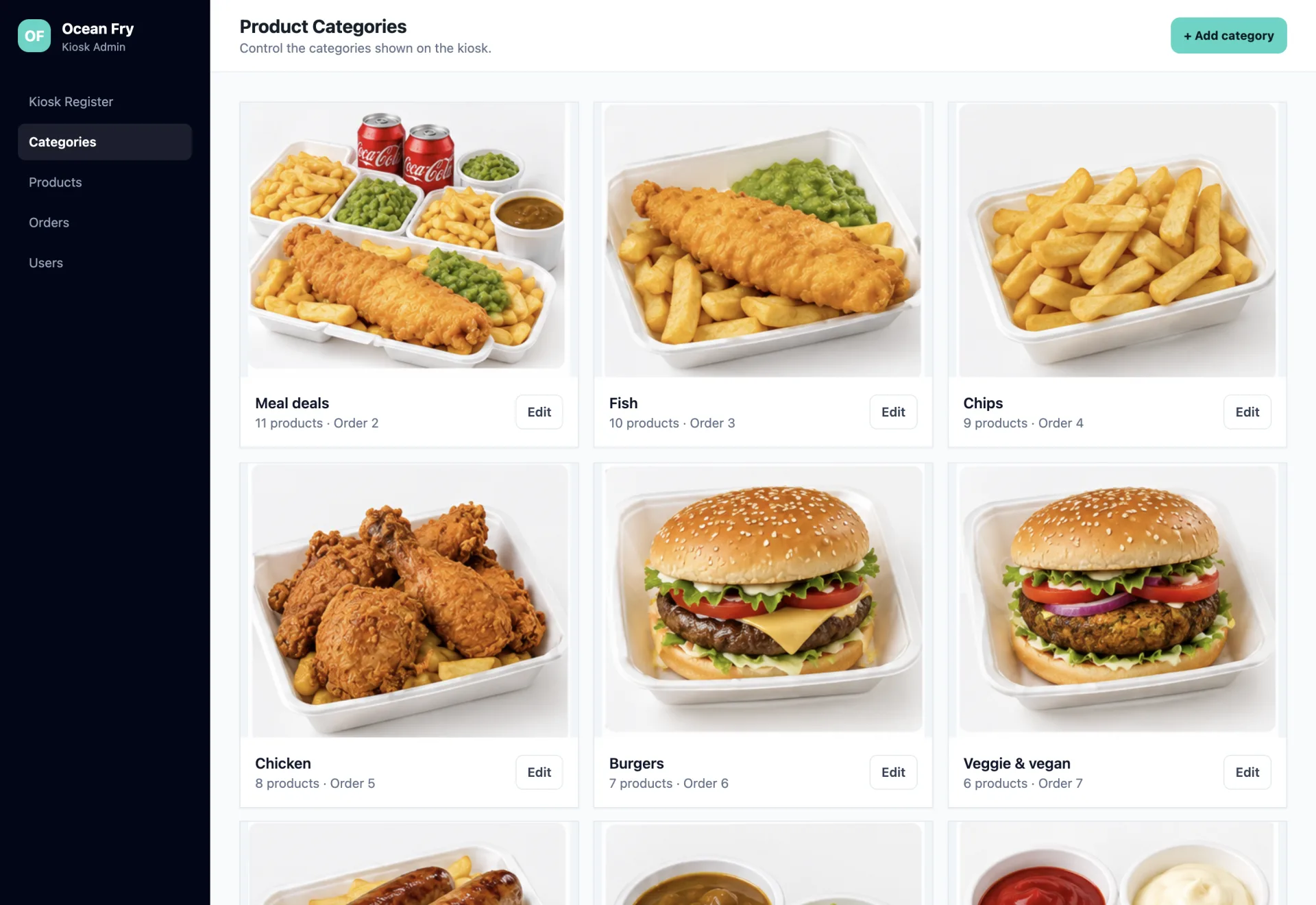
Food Ordering Kiosk Back Office
Streamlined restaurant operations and kiosk configuration through a centralized Laravel back office connected to floor-deployed Android ordering terminals.
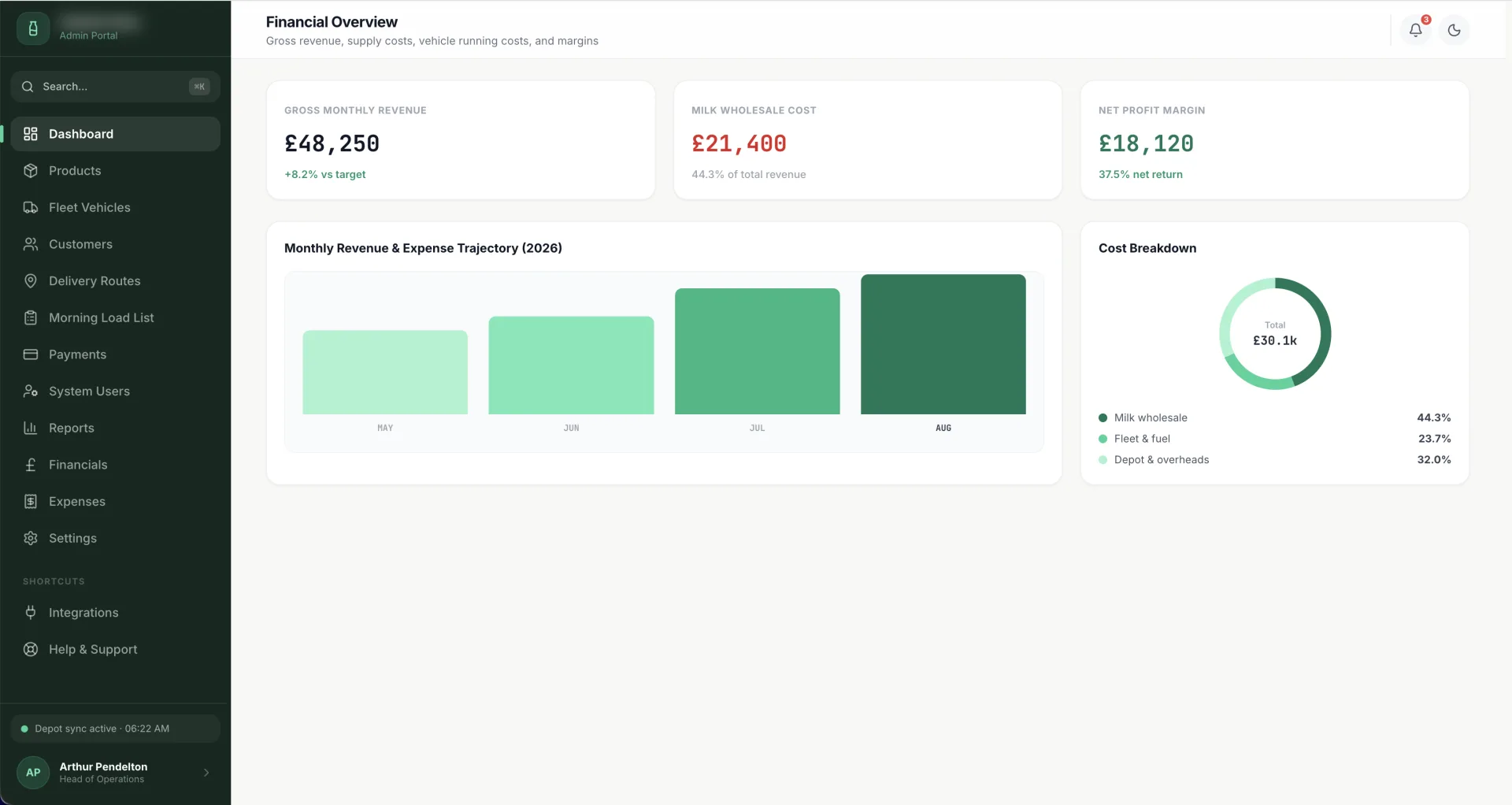
Centralised Delivery Hub for Local Dairy
A high-performance operational portal designed for local dairies to streamline morning route planning, vehicle compliance, inventory margins, GoCardless payments, and Twilio customer SMS notifications.
Why choose my Real-Time Features & Microservices Architecture services?
Modern Web applications must deliver instantaneous responsiveness while handling complex scale. Monolithic architectures can become difficult to maintain as development teams expand, while static, poll-based user interfaces frustrate users accustomed to real-time interactions.
By decoupling critical features into modular microservices and integrating high-performance WebSocket engines like Laravel Reverb or Soketi, I transform static platforms into dynamic enterprise systems. Whether you need live operational dashboards, event-driven service architectures, or isolated services built for independent scaling, I design resilient distributed systems engineered for maximum concurrency. Contact me today for a free quote.