1. Users and permissions
Identify each user type, the tasks they need to complete and the information they should be able to access.
I design and develop browser-based applications around specific users, workflows and business requirements, from focused internal tools to customer-facing digital products.
A custom web application gives staff, customers or partners a browser-based way to complete tasks, manage information and use digital services designed around their needs.
I develop web applications for defined business processes and digital products. Depending on the requirements, that could be an internal management tool, a secure customer portal, a specialist calculator, an operational platform or the first version of a new online service.
The work begins with the users and the outcomes the application needs to support. I then plan the workflows, data structure, permissions, integrations and technical foundations around those requirements. This helps keep development focused on useful functionality rather than adding features without a clear purpose.
I build with maintainability and future changes in mind, including appropriate validation, testing, error handling and security controls. Where an application relies on third-party services, I also consider how data is exchanged and what should happen when an integration fails.
A first release does not need to include every feature you may eventually want. A focused initial scope can establish the main user journey and provide a foundation for further development once the application has been tested with real users.
Sometimes a website is not enough. You may need customers to manage their accounts, staff to complete operational tasks, or users to work through a process that an off-the-shelf product cannot accommodate.
I develop bespoke web applications around those requirements. That could mean replacing spreadsheets and manual processes, creating a customer-facing service, or building the first version of a new digital product.
The starting point is understanding who will use the application, what they need to accomplish and where existing tools fall short. From there, I can define a realistic first release without adding unnecessary complexity.
A custom web application combines the features needed to complete a task or deliver a service. I plan these elements together so the application works as a coherent product rather than a collection of disconnected features.
I prioritise the features that support the main user journey first, while making sensible decisions about security, maintainability and future development.
A useful specification explains what the application must achieve, who it serves and how its main workflows should behave. It does not need to describe every future feature in detail.
Identify each user type, the tasks they need to complete and the information they should be able to access.
Map the steps, decisions, status changes, notifications and exceptions involved in each important process.
Establish which records the application owns, which systems supply information and how updates should be handled.
Separate essential launch functionality from improvements that can be added after the core application has been tested.
Consider sensitive data, backups, hosting, maintenance, monitoring and how the application will be updated.
The technical implementation matters, but so does the approach to scope, security, testing and the decisions that affect the application after launch.
| Question to ask | A surface answer | A useful project answer |
|---|---|---|
| How will you define the first release? | Build the requested features. | Prioritise the main user journeys, dependencies and measurable acceptance criteria. |
| How will user access be controlled? | Users will sign in. | Define permissions, record ownership and separation between users or organisations. |
| How will the application integrate with other systems? | Connect the relevant APIs. | Plan authentication, data mapping, failures, retries and integration monitoring. |
| How will you test the application? | Test it before launch. | Test core workflows, permissions, validation, integrations and important failure scenarios. |
| How will the application be maintained? | Fix issues when needed. | Consider updates, backups, monitoring, security fixes and a clear route for future changes. |
| Can the application evolve after launch? | Add features later. | Use a maintainable structure and plan extensions around real usage and changing requirements. |
Bespoke development is not automatically the best option. If an established product already meets your needs, configuring it may be simpler and more cost-effective.
I recommend custom web application development when the gap between existing software and the required user experience or business process justifies building something specific. The aim is to solve the problem without creating unnecessary software to maintain.
You might be starting with a product idea, a process that relies on spreadsheets, or an existing application that has become difficult to maintain. You may already know the required features, or you may need help working out the best technical approach.
I can help assess the requirements, identify the core user journeys and plan a realistic first release. Where appropriate, that can include API integrations, a supporting administration area and a route for adding features as the application develops.
I work directly on the development, so you can discuss the technical decisions and project scope with the person building the application.
You do not need a complete technical brief. I can help define the users, workflows and essential features, then turn your idea into a practical development scope.
I start by understanding the work the system needs to support. I keep decisions clear as the project moves from initial planning into development and launch.
I map the users, information, hand-offs and problems the software needs to solve.
I define the core features, data, integrations and a realistic first release with you.
I develop and test the application, then review it against real tasks and your feedback.
I help get the system live and plan sensible improvements as your requirements evolve.
Examples of business applications and specialist web tools built around specific workflows and user requirements.
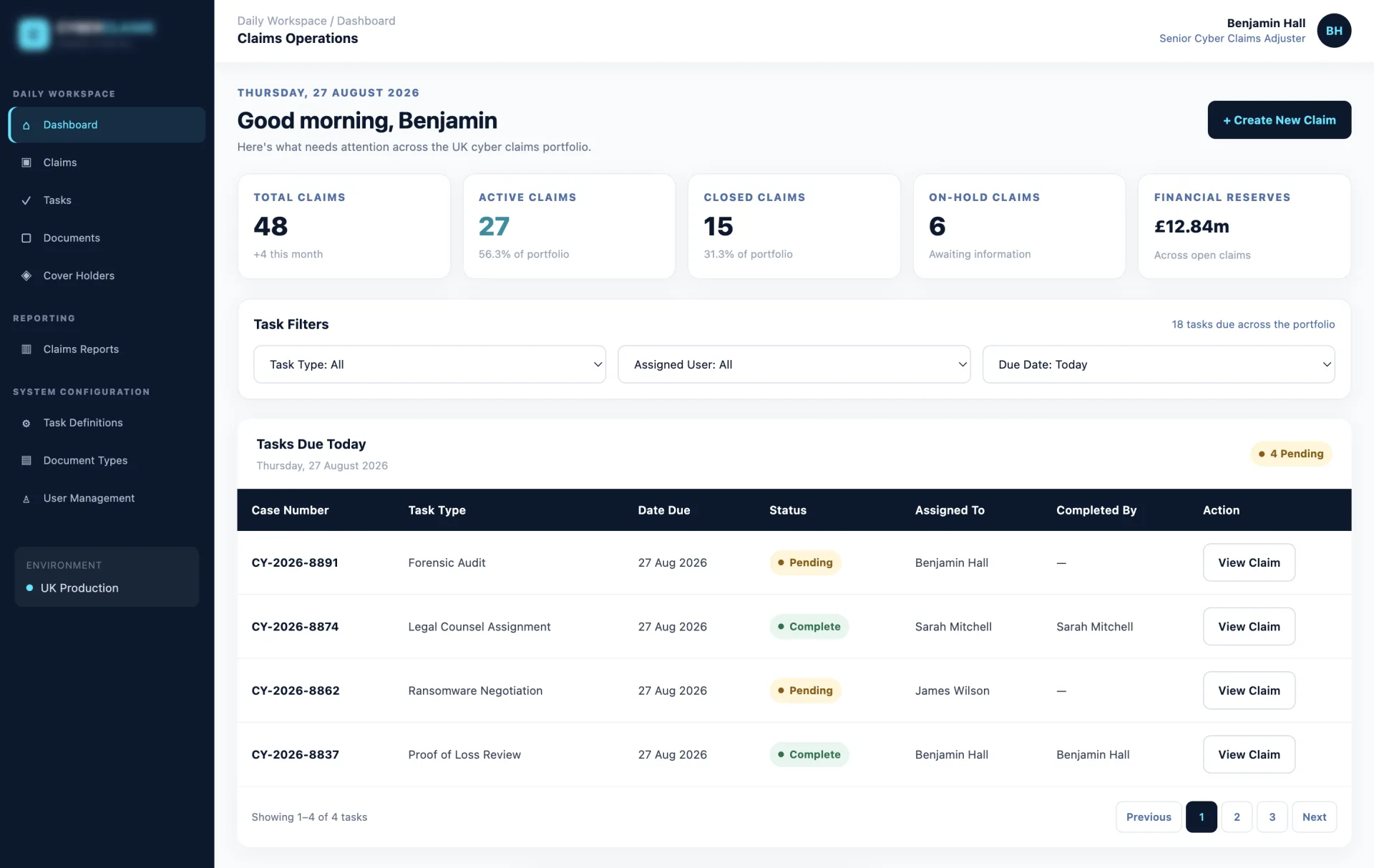
A custom-built Laravel and Livewire management system designed for specialist claims adjusters to monitor complex cyber incidents and track live financial reserves.
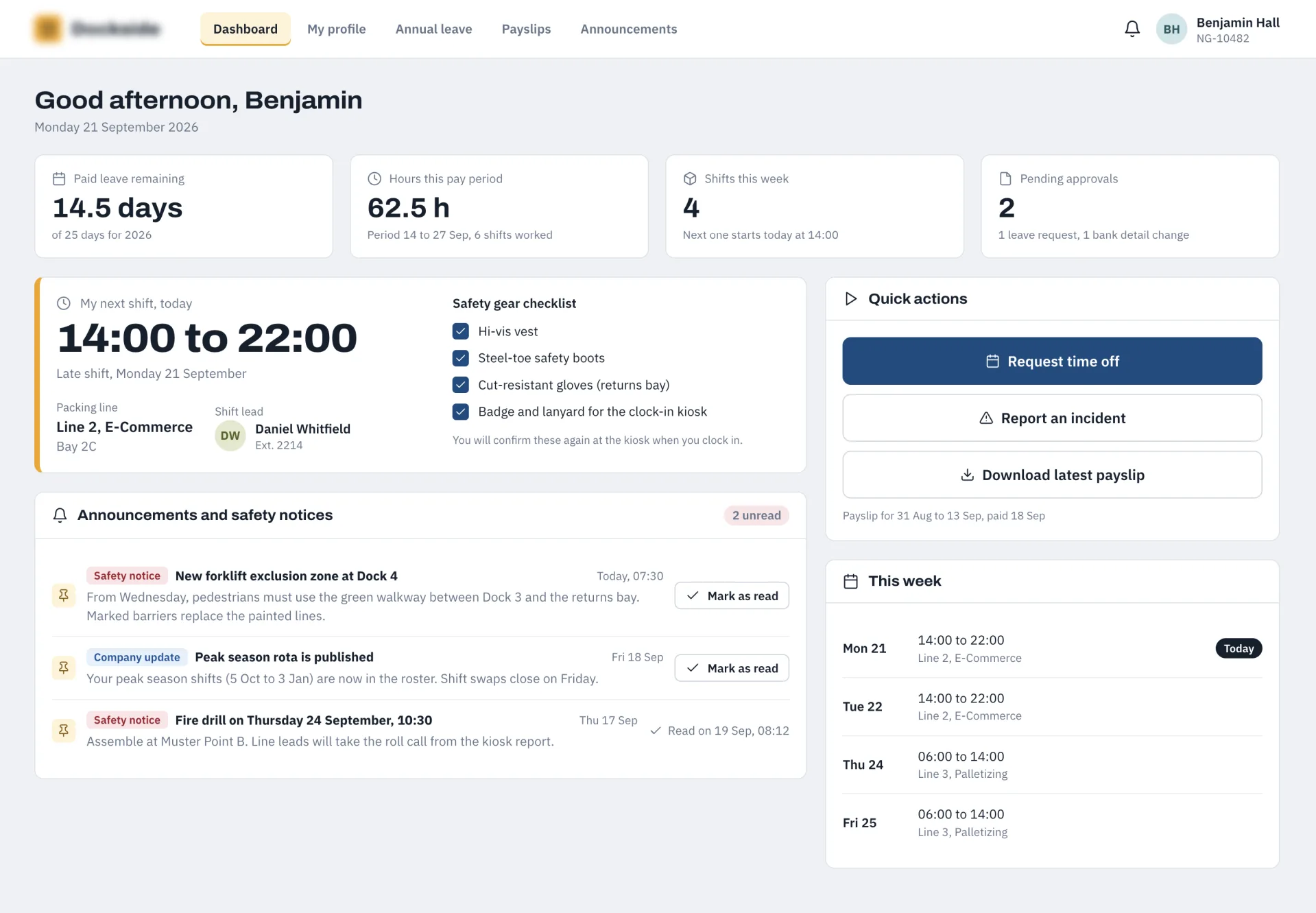
Eliminated manual timesheets and optimized floor operations using a centralized Laravel HR hub and API engine connected to Android time clock terminals.
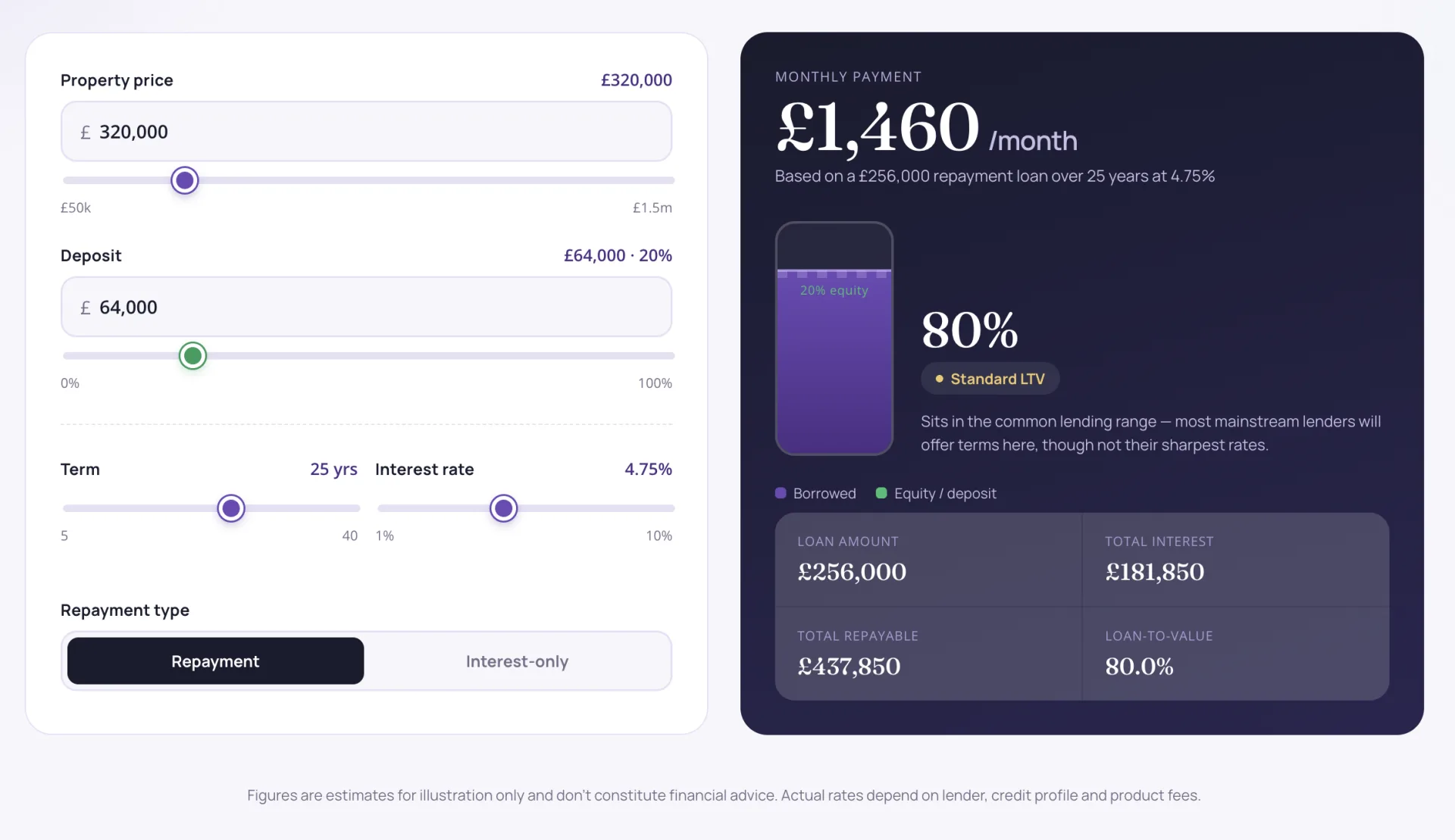
A modern, high-converting Mortgage & Loan-to-Value (LTV) Calculator built as a custom, real-time WordPress plugin.
Answers to common questions about planning, building and maintaining bespoke web applications.
Verified client reviews on PeoplePerHour. Let’s make your project the next one.