1. System ownership
Decide which application is authoritative for each record and how information moves between systems.
I develop business management systems around the way your business actually operates. Bring customer records, jobs, orders, approvals, reporting and other essential workflows together in a custom application.
Spreadsheets, email threads and disconnected applications can make everyday work harder to coordinate. I develop bespoke business management software that brings essential records, workflows and reporting together around your actual processes.
I start by understanding how work moves through your business: who handles each stage, what information they need and where delays, repeated data entry or inconsistent records occur. Depending on the requirements, the resulting system can combine customer and supplier records, jobs, orders, stock, documents, approvals and reporting.
A custom business system can also integrate with existing services rather than replacing everything at once. I focus on a maintainable first release, with clear data ownership and room to add workflows and capabilities as your business evolves.
When customer records, jobs, stock and approvals live in separate tools, staff spend time reconciling information instead of moving work forward. Spreadsheets and manual hand-offs can also make it harder to maintain consistent records and understand what needs attention.
I develop bespoke business management software that connects the processes you need, without automatically rebuilding functions that existing software already handles well.
A bespoke business management system can bring customer and supplier records together with jobs, orders, stock, documents, approvals and reporting. The exact features depend on your processes and the problems the system needs to solve.
Prioritise the workflows that create the most administration or errors, and decide which existing platforms should remain in place.
Before development, I map who owns each record, how work progresses through the business and what staff need to see or do at each stage.
Decide which application is authoritative for each record and how information moves between systems.
Define workflow statuses, responsibilities, approval points and what happens when work is delayed or cancelled.
Identify the figures, outstanding actions and performance measures that help you make decisions.
Define which information each user can access and which actions they are allowed to perform.
Identify the records that need to move from spreadsheets, older databases or existing applications.
A useful specification should explain how the system supports day-to-day operations, handles exceptions and fits alongside the software you already use.
| Question to ask | A surface answer | A useful project answer |
|---|---|---|
| Which existing tools will remain? | Move the main spreadsheet into a system. | Map systems of record, data ownership and the integrations required. |
| How do approvals work? | Managers can review tasks. | Define roles, approval thresholds, decision history and escalation rules. |
| What should the reports show? | Add an overview dashboard. | Connect reporting to agreed statuses, calculations and business decisions. |
| How will staff access the system? | Give everyone an account. | Define roles, permissions, authentication and access to sensitive information. |
| What happens when something goes wrong? | An administrator can fix it. | Provide validation, useful error messages, activity history and a clear recovery process. |
| Can our existing data be migrated? | Import the spreadsheet. | Map fields, validate records, resolve duplicates and reconcile the migrated data. |
Existing business management software may cover your needs with less initial effort, so I would not recommend custom development without a clear reason. A bespoke system is worth considering when important processes need to work together and standard tools leave persistent gaps that create unnecessary work or limit how your business operates.
A bespoke business management system should reduce fragmentation, not become another disconnected application. The aim is to make essential information easier to access, workflows easier to manage and operational decisions easier to support.
I can help you prioritise the records and processes that affect the most people or create the most rework, then plan a manageable first release that can be extended as your needs evolve.
You do not need a complete technical brief. I can map out how your business operates today, identify the processes that need to work better and shape a practical scope before development begins.
I start by understanding the work the system needs to support. I keep decisions clear as the project moves from initial planning into development and launch.
I map the users, information, hand-offs and problems the software needs to solve.
I define the core features, data, integrations and a realistic first release with you.
I develop and test the application, then review it against real tasks and your feedback.
I help get the system live and plan sensible improvements as your requirements evolve.
Explore examples of custom applications supporting operational processes, internal teams and business-critical workflows.
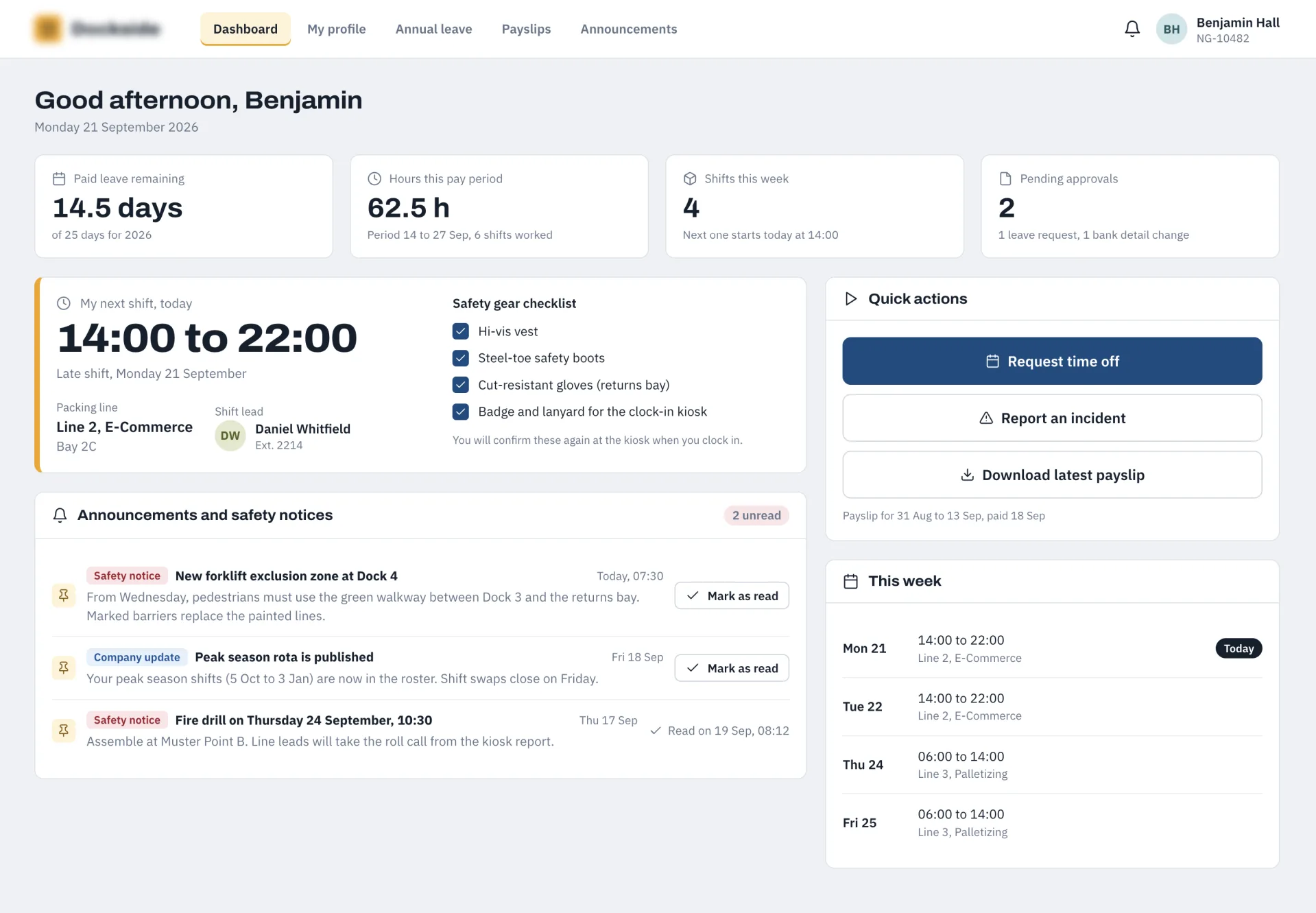
Eliminated manual timesheets and optimized floor operations using a centralized Laravel HR hub and API engine connected to Android time clock terminals.
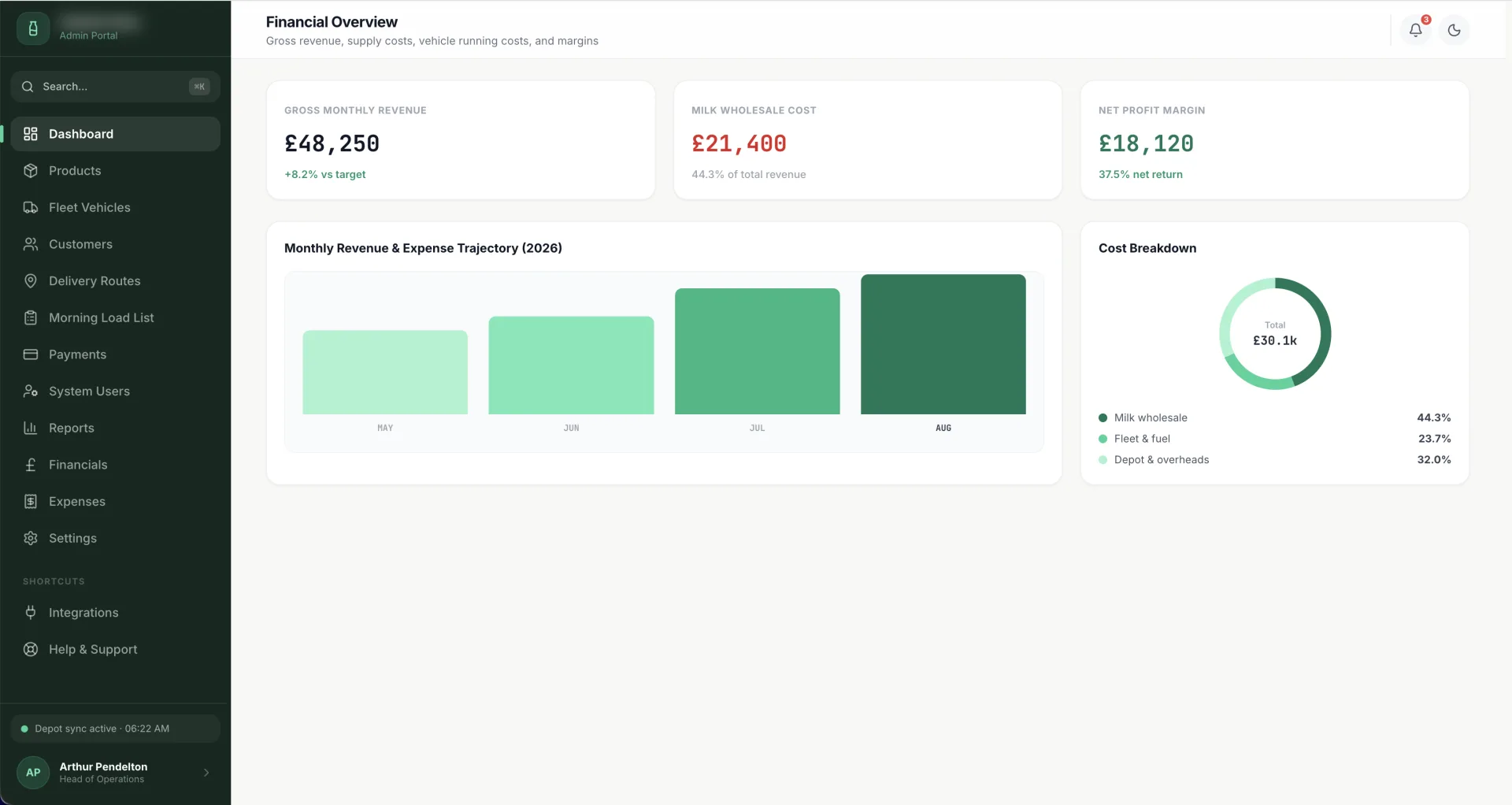
A high-performance operational portal designed for local dairies to streamline morning route planning, vehicle compliance, inventory margins, GoCardless payments, and Twilio customer SMS notifications.
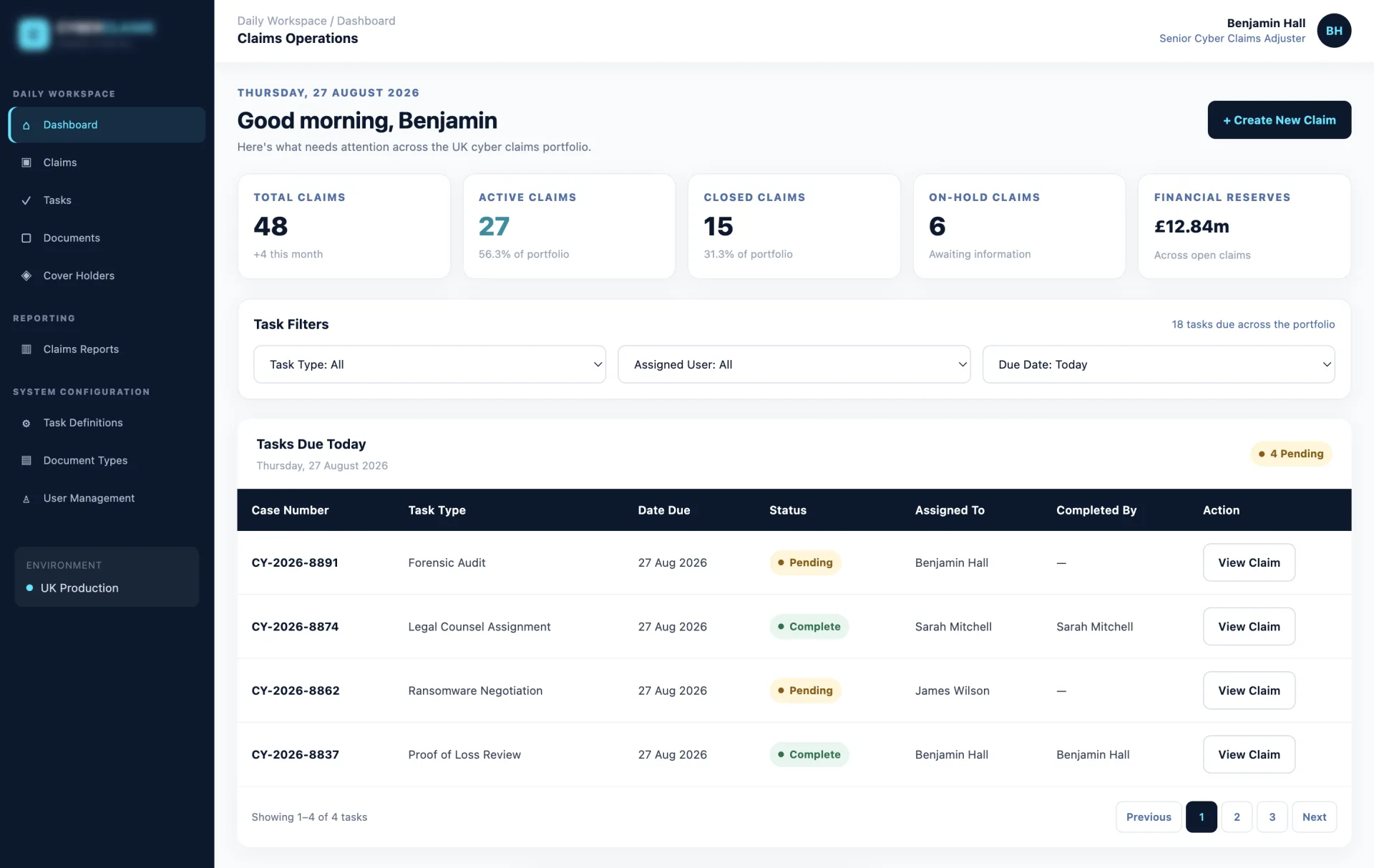
A custom-built Laravel and Livewire management system designed for specialist claims adjusters to monitor complex cyber incidents and track live financial reserves.
Common questions about replacing disconnected tools with bespoke business management software.
Verified client reviews on PeoplePerHour. Let’s make your project the next one.