Android App Prototyping and MVP Development
Turn an early Android product idea into something tangible enough to test, demonstrate and make informed development decisions before committing to a full build.
Validate Android Products Before Full Development
A prototype should answer a question. That might be whether users understand a workflow, whether hardware can support a feature or whether an idea is strong enough to justify a larger build.
We define the assumptions that matter most, then select the smallest useful prototype. This may be an interactive Android app prototype, a technical proof of concept or a working MVP with the core journey and backend connection.
Using Kotlin, Jetpack Compose and suitable platform services allows important behaviour to be tested on real Android devices. Scope stays focused on learning rather than prematurely building every production feature.
At the end of the prototype, findings can inform priorities, architecture and cost for the next phase. Where appropriate, maintainable prototype code can become the foundation of the production application.
THE SHELF. BUILT AROUND
HOW YOU WORK.
- 01Interactive Android prototypes
- 02Technical proofs of concept
- 03Android MVP development
- 04Android app proof of concept development
- 05Critical user journey validation
- 06Hardware and API feasibility tests
- 07Kotlin and Jetpack Compose prototypes
- 08Real-device demonstrations
- 09User testing and feedback builds
- 10Production roadmap and architecture planning
- 11...and much more.
Have an idea but not a specification?
We can turn the core problem and assumptions into a focused prototype brief with clear success criteria.
Turn a Validated Idea Into an Android App
Once the important assumptions have been tested, the prototype can provide a clearer foundation for planning the production application.
Prototype findings can help define the production requirements, technical architecture, integrations and priorities before full Android app development begins. This reduces the need to make major decisions based only on assumptions.
Where the prototype has been built as a suitable technical foundation, we can continue into production development. Alternatively, we can use what has been learned to plan a new production codebase around the requirements that have been validated.
- 01 Production requirements and scope
- 02 Android application architecture
- 03 API and backend planning
- 04 User journey refinement
- 05 Development estimates and priorities
- 06 Production Android app development
Android Development Case Studies
An overview of our successful Android app projects for UK businesses
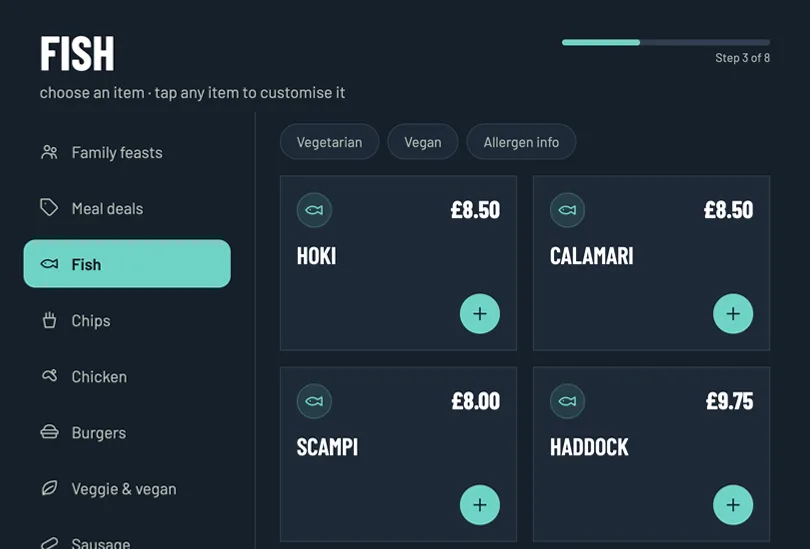
Android Food Ordering Kiosk
An intuitive self-service ordering and loyalty kiosk for Ocean Fry, integrated with a centralized Laravel back-office system.
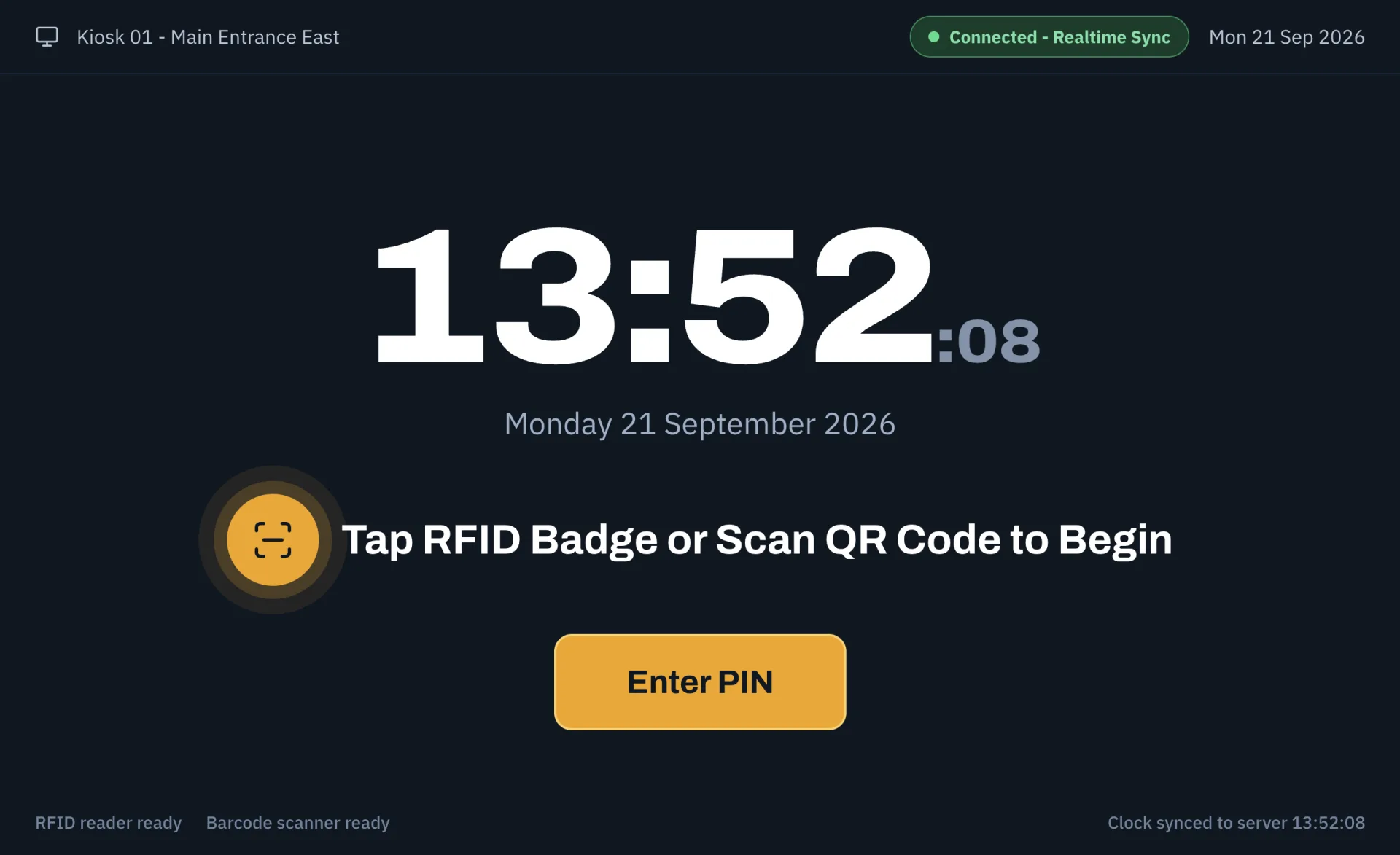
HR Check-In Kiosk App
Streamlined floor attendance, health & safety compliance, and shift tracking using dedicated Android check-in terminals integrated with a central Laravel HR hub.
Android Prototyping FAQs
Answers about Android app prototypes, MVP development, technical validation and moving from an initial idea into production.